

. . .

We are committed to shaping successful academic pursuits, fostering confidence in students navigating global education.

Study in
South Korea

Get complete guidance to study in South Korea - from choosing a university and course to admission requirements, the D-2 student visa, scholarships like GKS, part-time work and career options after graduation.


4

Universities in the QS Top 100 (QS 2027)

300k+

International students
studying in Korea

25-35h

Weekly part-time work limits (with permit)

3 yrs

Maximum job-seeking stay after graduation

Why South Korea

A fast-rising study destination in Asia

South Korea combines high-ranking universities, world-leading technology, affordable tuition compared with the US, UK or Australia, and a culture that students around the world already love. Here is why more students choose it every year.

Globally ranked universities

Seoul National University, Yonsei, Korea University and KAIST all sit inside the QS World University Rankings top 100, with POSTECH just outside. Korean qualifications are respected by employers across Asia and beyond.

Technology and innovation hub

Home to global leaders in electronics, semiconductors, automobiles, shipbuilding, gaming and biotech. Strong industry–university links mean research and internships connect with real employers.

Affordable tuition

International students generally pay the same fees as Korean students. Annual tuition often falls in the range of roughly USD 3,000–10,000, and scholarships can cover 50–100% of it.

Culture students love

K-pop, K-drama, Korean food and design are shaping global youth culture. Living in Korea means learning the language and culture from the source, while enjoying safe, well-connected cities.

Top universities

The SKY trio, KAIST, and
universities worth considering

trending courses

Fields students actually choose in Korea

Based on the last five years of our placements. Each of these fields aligns with Australian employer demand and supports post-study work rights and skilled migration pathways.

IT & Computer Science

Software engineering, AI, data science, cybersecurity and cloud computing. KAIST and SNU are especially strong in computer science.

Engineering

Electronics, semiconductors, mechanical, chemical, civil and materials engineering, supported by Korea's major manufacturers.

Business & International Trade

Business administration, international trade, marketing and finance. Korea's global brands make this a popular route for overseas-sales roles.

Korean Language & Culture

Korean studies, linguistics, media and K-culture programmes, plus 1-year Korean language courses to build TOPIK skills.

Design, Media & Arts

Visual design, animation, film, music and game design, linked to Korea's creative and entertainment industries.

Health & Life Sciences

Biotechnology, pharmacy, public health and biomedical sciences, with strong research programmes at top universities.

intake details

Two main intakes a year

Australian universities run on a Southern Hemisphere academic calendar. Most students start in February. Knowing which intake to target – and when to start preparing – is half the application battle.

March - Spring Intake

Semester 1 - Year start

September - Fall Intake

Semester 2 - Mid-year start

Language Programmes

Summer term - Selected courses

Ready to Start Your Study Abroad Journey?

Get expert guidance on courses, applications, visas, and student support.

Book a Free Consultation
visa process

The D-2 student visa, step by step

Australia’s student visa process requires careful planning, accurate documents and a genuine study profile. Education Asia guides students through each stage, from admission documents to visa lodgement and pre-departure preparation.

1

University & Course Selection

Admission Offer & Tuition Payment

2
3

Student Visa Application

Arrival & ARC

4

Expert Guidance
Trusted by Thousands

We are more than consultants – we are career architects. Education Asia combines strong expertise in global education systems  with personalised attention to turn your study abroad ambitions into reality.

University & Course Selection

Choose the right Australian university and course based on your academic qualifications, career goals, and budget. Our experienced counsellors help you shortlist universities, prepare competitive applications, and submit all required documents for a smooth admission process.

Student Visa Application

Using your CoE, complete your Australian Student Visa application, prepare financial documents, Overseas Student Health Cover (OSHC), health examinations (if required), and biometrics. Our visa experts guide you through every step to ensure a successful application.

Admission & CoE

After receiving your admission offer, confirm your place by accepting the offer and paying the required tuition deposit. Your university will then issue your Confirmation of Enrolment (CoE), the essential document required to apply for your Australian Student Visa.

Visa Grant & Pre-Departure

Once your visa is approved, we'll assist you with accommodation, airport pickup, travel planning, and pre-departure orientation. With complete guidance from Education Asia, you'll be fully prepared to begin your academic journey in Australia.

life in south korea

Many cities. Each one a different life.

Where you live shapes everything: cost, weather, community, job opportunities. A quick comparative view.

Seoul

The capital and Korea’s biggest city. Home to SNU, Yonsei and Korea University, with the most jobs but the highest cost of living.

Busan

Second-largest city a major port. Beaches, a lively food scene and living costs below Seoul, with local support for international students.
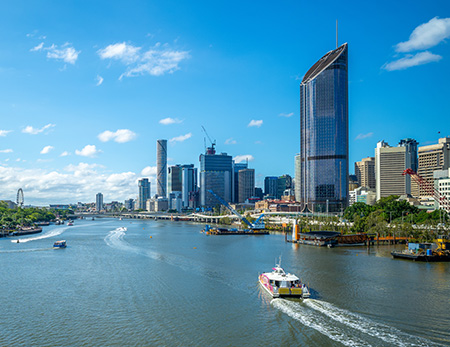
Incheon

Home to Incheon International Airport and the Songdo international district. Easy metro access Seoul and a growing global community.
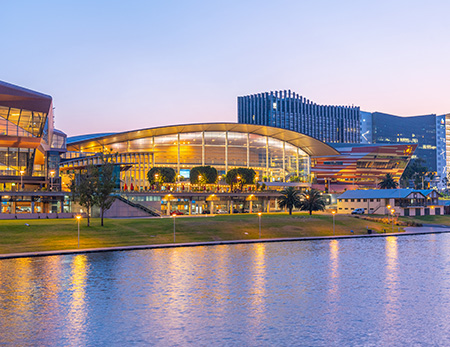
Daegu

A key industrial and regional hub in the southeast. More affordable than Seoul, with several universities and a relaxed student pace.

Daejeon

Korea’s research-and-development hub and home of KAIST. Strong for science and engineering students central location.

Gwangju

The cultural and tech centre of the southwest. Home to GIST, with an arts scene, low living costs and a friendly student community.

Frequently Asked Question

South Korea offers globally ranked universities, affordable tuition, strong technology and industry links, a safe and modern environment, and a vibrant culture. Scholarships such as GKS and university awards make it more accessible than many other destinations.

Yes, but only with a part-time work permit from the immigration office. The permit is free, and you must usually meet GPA and language conditions. Weekly hour limits depend on your degree level, Korean ability and university status, with longer hours allowed during vacations.

The two main intakes are March (spring) and September (fall). Korean language institutes also offer more start dates through the year.

Not always. Many universities offer English-taught degrees, especially at graduate level and in international colleges. However, Korean (TOPIK) greatly improves your daily life, part-time job options and your chances of getting hired in Korea after graduation.

Universities with English-taught programmes commonly accept: IELTS Academic TOEFL iBT TEPS and other recognised tests (varies by university) Korean-taught programmes require TOPIK. Check each university's requirements.

Yes. The Global Korea Scholarship (GKS) is the best known, and many universities offer merit scholarships covering 50–100% of tuition. Eligibility depends on academic record, language scores and the programme you choose.

Many universities accept applicants with study gaps if you can explain the gap with work experience, additional study or other valid reasons. A clear statement of purpose and supporting documents help.

Yes. Graduates of Korean universities can apply for a D-10 job-seeker visa and then move to a work visa like E-7 once they have a qualifying job offer. Policies change, so check current immigration rules.

D-2 visa holders may be able to bring eligible family members on a dependent visa, subject to the student's level of study and financial proof. Rules are specific and change over time, so confirm with the embassy.

Free career counselling University and course selection Scholarship guidance (GKS and university awards) Application processing Visa documentation and interview preparation Pre-departure briefing and accommodation assistance